
Piazzale Roma: Venice’s Main Vaporetto Hub 🚌🚤
For most travelers, Venice doesn’t begin with a gondolier’s song drifting across still water. It begins with the hiss of bus brakes, the hum of a coach engine, and the shuffle of suitcase wheels on pavement. Welcome to Piazzale Roma – the square where the modern world stops dead, and the lagoon city begins.
At first glance, this sprawling terminal might look like nothing more than a logistics hub: buses idling, taxis queuing, tourists squinting at signage. But look closer, and Piazzale Roma is something far more interesting. It’s a threshold. One side of it belongs to engines, exhaust, and tarmac. The other belongs to water, stone, and eight centuries of history. Nowhere else in Venice is that transition so abrupt – or so thrilling. ✨
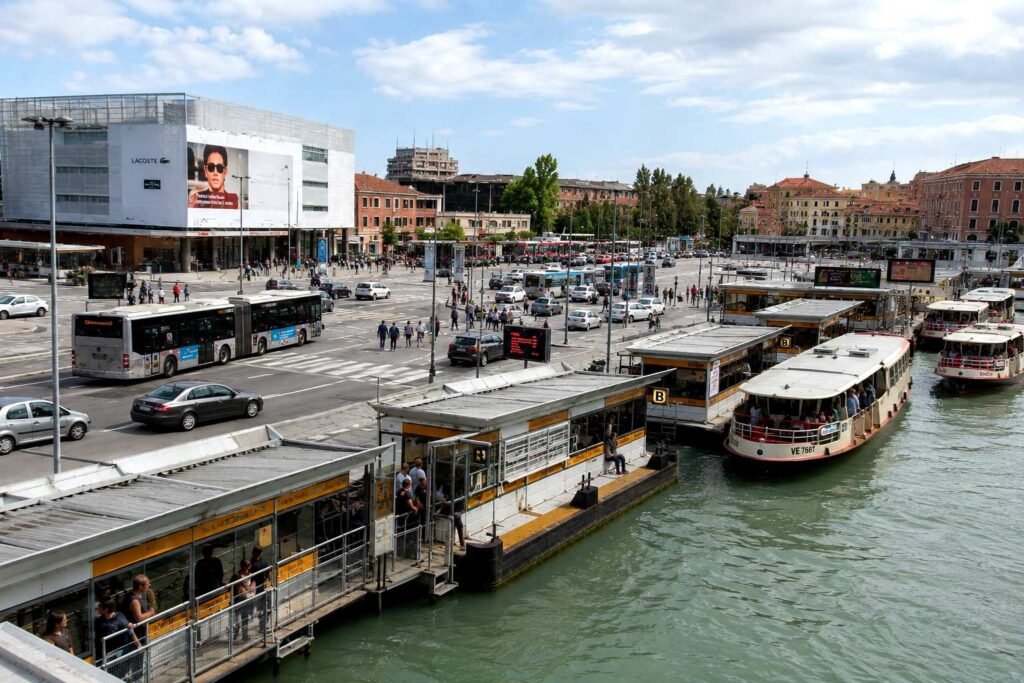
Piazzale Roma Decoded: Your Gateway to the Lagoon
Visiting Venice for the first time? If you are arriving by car, bus, or tram, Piazzale Roma will be your absolute final frontier on solid ground. Once you cross this square, wheels stop and boats take over. Let’s break down everything you need to know to navigate it like a pro.
Where is Piazzale Roma? (Terminal Overview)
Piazzale Roma is located at the southwestern edge of Venice’s historic island, sitting right where land transportation ends and the water network begins. The interactive map below displays the exact terminal layout and its approach across the Liberty Bridge.
Is it mainly a station for cars?
Yes, it acts as the primary terminal and parking hub for private cars. Multi-story garages and open-air lots dominate the square, holding thousands of vehicles before drivers transition to foot or boat.
Are buses going there?
Absolutely! Piazzale Roma is a massive terminus for regional and airport buses (including ATVO and ACTV shuttles from Marco Polo and Treviso airports, plus long-distance FlixBuses).
What about trains and trams?
Trains do NOT pull into Piazzale Roma. Trains stop across the canal at Venezia Santa Lucia station. However, modern mainland trams (line T1 from Mestre) terminate right here at the edge of the square.
Piazzale Roma vs. Santa Lucia Station
The Difference: Santa Lucia is for rail passengers coming straight across the tracks. Piazzale Roma is for road travelers (cars, buses, trams, taxis). They are only a 5-minute walk apart across the striking Constitution (Calatrava) Bridge!
🚀 Essential Bookings for Your Arrival
Secure your vehicle space in advance to avoid long terminal queues.
Book Parking via Parclick →Skip the ticket lines at the docks and grab your transit passes early.
Get Vaporetto Passes →Drop your heavy bags safely right on the square before exploring.
Find Luggage Storage →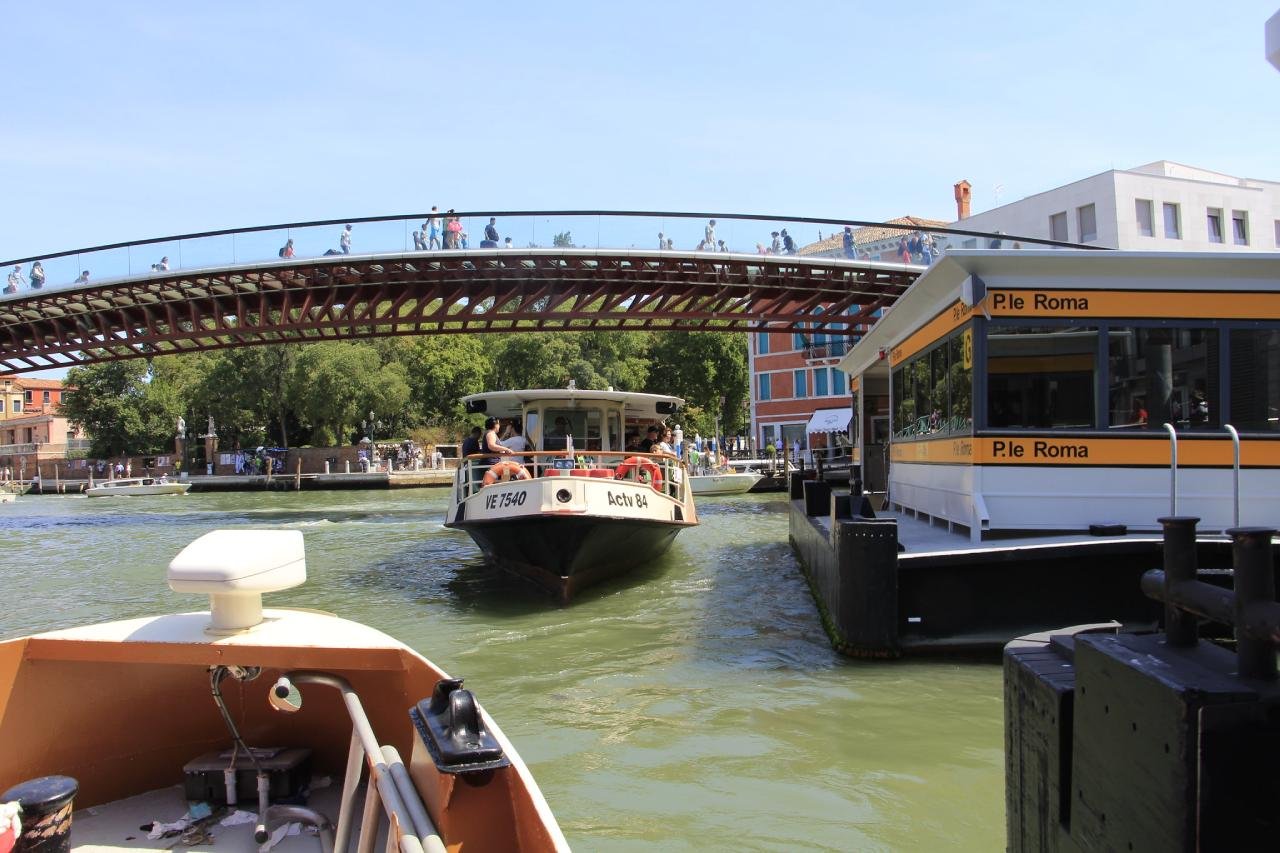
🚢 Piazzale Roma Live Departures
Real-time upcoming departures across all active daytime routes serving the Piazzale Roma terminal (restricted strictly to daytime operational hours).
Why Does a Car Terminal Exist at the Edge of a Car-Free City?
Before the 1930s, Venice was completely isolated from mainland vehicular traffic. While the 19th-century rail causeway brought trains across the lagoon, automobiles had nowhere to go—until a monumental engineering shift changed everything.
The Liberty Bridge Breakthrough
The construction of the Ponte della Libertà finally connected Venice to Mestre by road, sealing Piazzale Roma’s destiny as the ultimate boundary where cars must stop and pedestrians take over.
Carved From Stone & Gardens
Creating this massive multi-story parking and terminal zone required clearing historical plots, blending a modern 20th-century automotive ambition directly into the edge of the ancient historic center.
Distinct geometric lines and functional forms from the 1930s planning era.
Contemporary infrastructure layered over decades to handle millions of annual transit riders.
Catching the Vaporetto at Piazzale Roma
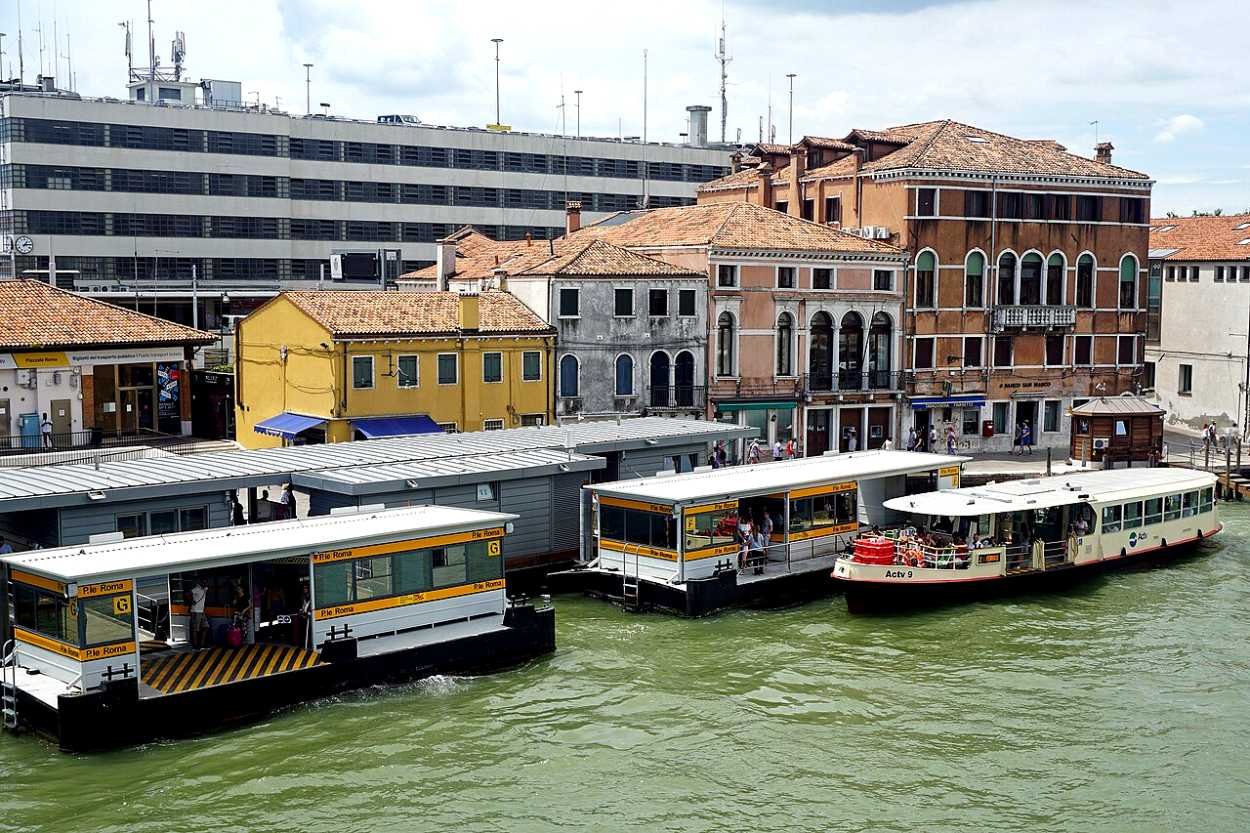
This is where the real Venice experience begins. The vaporetto docks—known locally as pontili or imbarcaderi—line the edge of the square along the Rio Nuovo and the mouth of the Grand Canal, making this one of the busiest interchanges on the entire water bus network.
Run straight through the heart of the city, offering a slow, scenic route past centuries of palazzi—perfect for first-time visitors.
Skip the Grand Canal entirely and circle Venice along its outer waterways, which is often the faster option if your hotel sits away from the core.
📋 Complete Line Directory & Timetable Overview
All active lines calling at Piazzale Roma, featuring operational frequencies, daily bounds, and direct reading links.
| Line | Route & Key Destination | Frequency | First / Last Service | Guide Link |
|---|---|---|---|---|
| Line 1 | Grand Canal Slow (Rialto, San Marco & Lido) | Every 12 min | 05:00 – 00:30 | Line 1 Guide → |
| Line 2 | Grand Canal Express (Giudecca / San Zaccaria) | Every 15 min | 05:15 – 23:45 | Line 2 Guide → |
| Line 3 | Murano Direct (via Railway Station) | Every 30 min | 07:00 – 18:00 | Line 3 Guide → |
| Line 4.1 | Counter-Clockwise Circular (F.te Nove & Murano) | Every 20 min | 05:05 – 21:30 | Line 4 Guide → |
| Line 4.2 | Clockwise Circular (San Basilio, Zattere & Murano) | Every 20 min | 05:20 – 21:45 | Line 4 Guide → |
| Line 5.1 | Outer Ring Fast (Lido & F.te Nove) | Every 20 min | 05:10 – 22:00 | Line 5 Guide → |
| Line 5.2 | Outer Ring Reverse (Zattere & Lido) | Every 20 min | 05:15 – 22:10 | Line 5 Guide → |
| Line 6 | Express South Link (Zattere, San Marco & Lido) | Every 20 min | 06:00 – 20:30 | Line 6 Guide → |
Give yourself a few extra minutes to match your line number to the correct pontile. Queuing at on-site kiosks during peak windows can eat into your time, so it’s better to buy your ticket online in advance and skip straight to the dock.
Parking at Piazzale Roma: Everything You Need to Know
Piazzale Roma is the last stop for vehicles entering Venice. Once you park here, the road ends and the canals begin. But is bringing a car all the way to the edge of the lagoon actually a good idea? Let’s break down the logistics, prices, and smarter alternatives.
Parking Spots & Capacity
Space on the island is tightly limited. The main multi-story facility on the square (Garage San Marco) and public structures like Autoriduttori offer several thousand total spots combined. However, because it’s the primary vehicle gateway for millions of visitors, spaces fill up fast—especially during peak morning arrival windows and summer weekends.
Search Live Parking & Book via Parclick →Overnight Stays & Safety
Can you park overnight? Yes, multi-story garages here operate 24/7 and routinely accommodate multi-day stays for travelers heading into the historic center or catching cruises.
Safety: These official structures are gated, well-lit, and monitored, making them very secure, though you should never leave valuables visible in your vehicle.
Pricing & Average Stay Duration
The Mestre-to-Venice Tram (Line T1): Your Bridge Across the Lagoon
Traveling between the mainland hub of Mestre and Venice’s historic island? The ACTV Line T1 Tram is one of the most efficient, smooth, and scenic ways to make the crossing without getting stuck in highway traffic. Here is everything you need to know about schedules, routes, and why it lands where it does.
Why does it arrive at Piazzale Roma and not Santa Lucia?
Even though Venezia Santa Lucia is a major station name, it is exclusively built for heavy steel-rail trains coming across the lagoon tracks from Milan, Rome, or Verona. The Line T1 tram runs on rubber tires and steel tracks embedded in roadways, meaning it requires a street-level automotive platform. Since Piazzale Roma is the absolute end of the road where vehicles can legally drive and dock, it acts as the natural terminal boundary for the tram.
Who is the Mestre Tram interesting for?
The T1 tram is ideal for travelers staying in Central Mestre, San Giuliano, or along Corso del Popolo who want to avoid crowded commuter buses. Because it operates on a dedicated right-of-way separated from regular car traffic, it offers a remarkably smooth, predictable ride straight into the heart of Venice’s transit gateway without parking fees.
Line T1 Schedule: First, Last & Frequency
ACTV Line T1 operates frequent daily services from early morning until late evening, connecting Favaro Veneto and Mestre center directly to Piazzale Roma.
Service starts around 05:30 AM from both ends of the line (with varying minor adjustments on Sundays and public holidays).
The final evening trams depart past 11:30 PM to midnight, ensuring safe return transit for late-night visitors.
Runs every 10 to 15 minutes during peak daytime hours, dropping to every 20–30 minutes late at night and early mornings.
Why Piazzale Roma Matters So Much
Piazzale Roma isn’t just one entry point among several — it’s the single most important overland gateway into Venice. This is where the mainland officially ends.
The ultimate terminal for private cars, coaches, and taxis coming from Mestre, the airport, or further afield in Italy.
The central hub where regional and long-distance coaches unload thousands of passengers daily.
Direct access to land taxis for travelers heading back toward the mainland or airport.
Connects directly to Venice’s major car storage facilities within reasonable walking distance of the historic center.
Crucially for water navigation, it hosts one of the heaviest-traffic ACTV networks, feeding passengers straight onto the Grand Canal or around the city’s outer perimeter.
Orientation Guide: Finding Your Way Around
The first few minutes at Piazzale Roma can feel disorienting—it’s loud, crowded, and sprawling. Here’s how the square breaks down into manageable zones.
The Bus and Tram Zone
This is where regional coaches and the Mestre tramline pull in, alongside long-distance buses. If you’ve flown into Marco Polo Airport, this is also where airport shuttle buses drop passengers.
The People Mover
Look up and you’ll likely spot a sleek, driverless elevated train gliding past—this is the People Mover.
Ponte della Costituzione (the Calatrava Bridge)
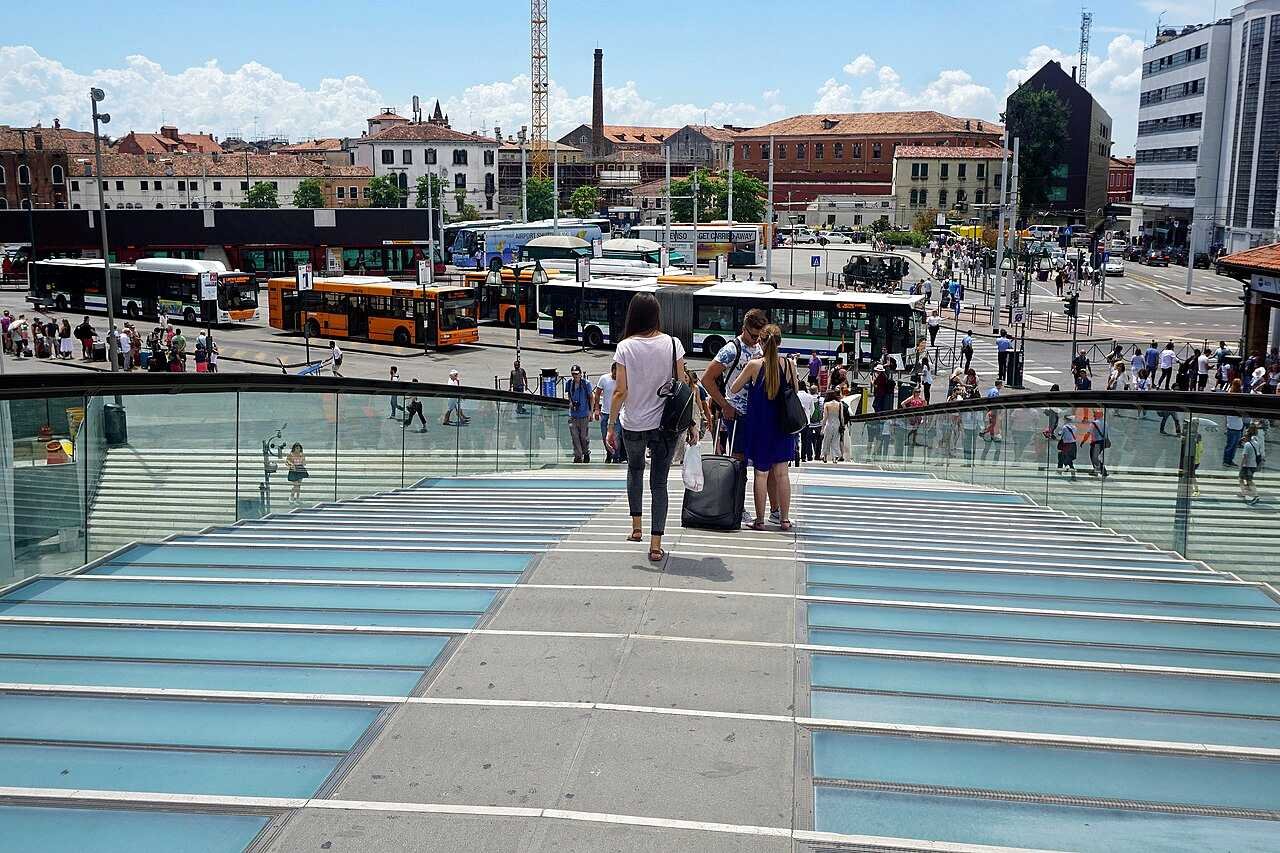
Designed by star architect Santiago Calatrava, this glass-and-steel arch spans the Grand Canal and connects Piazzale Roma to the train station side.
Tickets and Passes: What to Know Before You Board
Piazzale Roma is one of the easiest places in Venice to sort out your vaporetto tickets, since it’s built to handle a constant stream of arriving travelers.
Buy Online in Advance
Reserving your ticket or multi-day pass before you arrive means you can skip the queue at the kiosk entirely and step straight onto the embankment ready to travel.
Get Vaporetto Passes Online →On-Site Machines & Booths
If you’d rather sort things out in person, automated ticket machines and staffed kiosks are dotted around the square and along the waterfront.
Always Validate Before Boarding
Whether you’re using a paper ticket or a travel card, make sure it’s validated at the tap point on the dock before you get on the boat—checks are frequent at this stop given the volume of passengers passing through.
Read our safety & validation rules →Explore Pass Options
From single rides to multi-day stays, choose the exact duration that fits your itinerary. Compare single fares or multi-day options below:
| Vaporetto | Price | Tickets |
|---|---|---|
| 75-Minute | 12.00 € | Book Online |
| 24-Hour | 23.50 € | Book Online |
| 48-Hour | 40.00 € | Book Online |
| 72-Hour | 50.00 € | Book Online |
| 7-Day | 70.00 € | Book Online |
| + Murano + Burano | 37.00 € | Book Online |
| + Shuttle | 24.00 € | Book Online |
| + Water Taxi | 51.00 € | Book Online |
| + Ca’ Pesaro | 27.00 € | Book Online |
Beyond the Terminal: What’s Worth Lingering For
Most travelers grab a mediocre snack on the square and rush straight to the water. That’s a missed opportunity. Piazzale Roma sits at the doorway to Santa Croce, one of Venice’s least touristy and most quietly charming districts.
Giardini Papadopoli
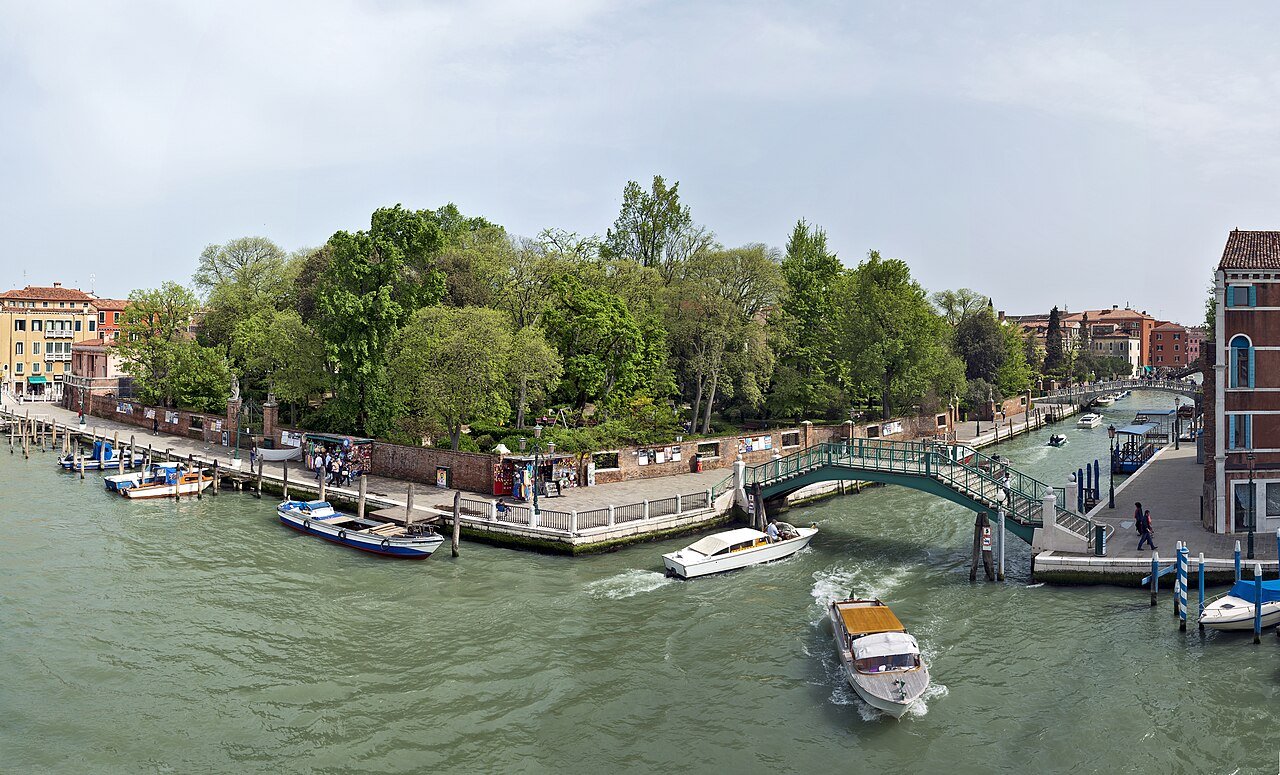
Just beside the square, this small English-style garden dates back to the 19th century. It’s a genuinely peaceful patch of green — ideal for letting kids stretch their legs or simply catching your breath before diving into the city.
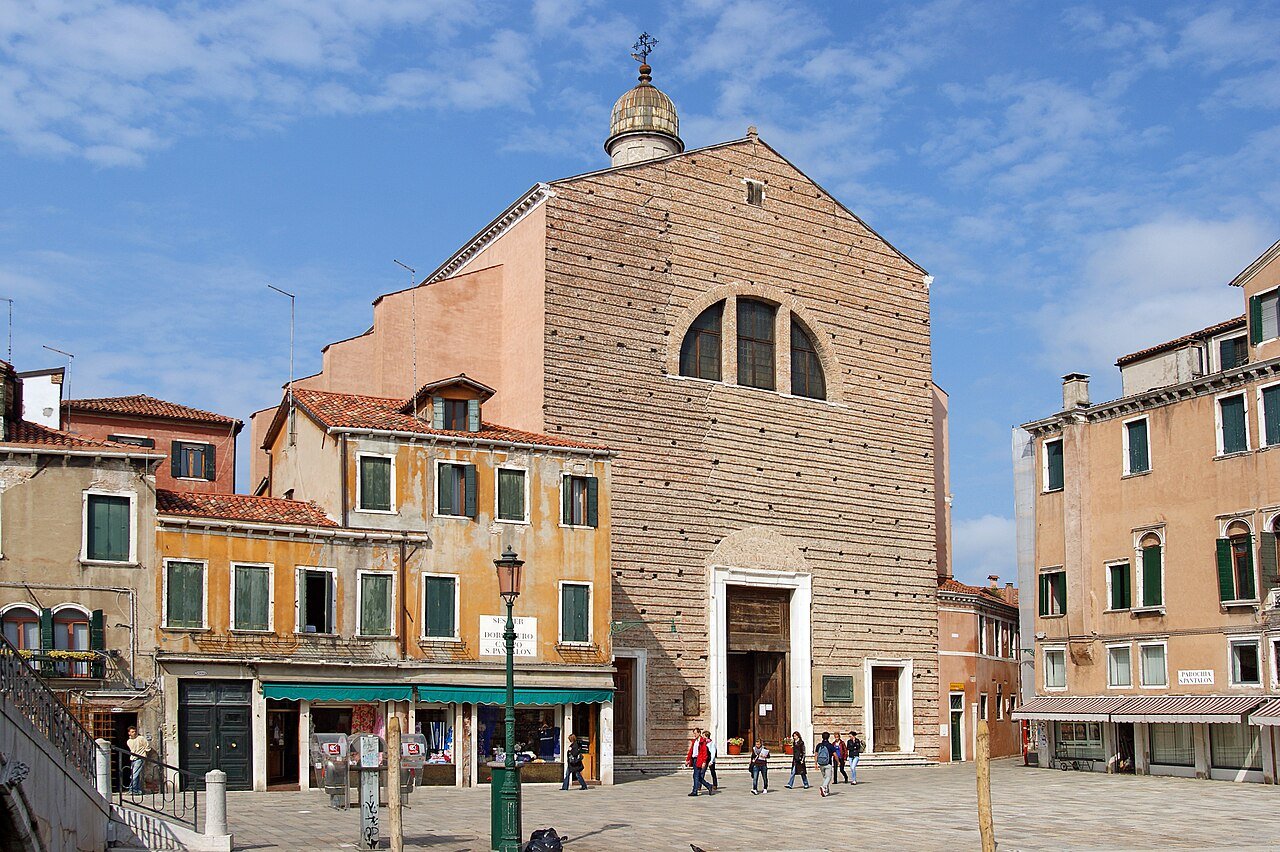
The Church of San Pantalon
A short walk away stands a church with an unfinished façade that gives little away from outside. Step in, though, and look up: the ceiling is an enormous painted canvas covering hundreds of square meters, created as an optical illusion of soaring architecture. It costs nothing to visit and is genuinely one of the more astonishing hidden sights in this part of the city.
San Giacomo dell’Orio
If you have twenty minutes to spare before boarding your vaporetto, consider walking the loop toward this leafy neighborhood square, where local families and university students gather. It’s a far better introduction to everyday Venetian life than anything you’ll find at the transport terminal itself.
Practical Logistics for First-Time Arrivals
Baggage Storage at Piazzale Roma
If you’re passing through for just a few hours—say, between a morning train and an evening flight—official luggage storage facilities operate near the main tourist information point. For guaranteed spots and zero hassle, you can book secure luggage storage right near the bus terminal online in advance.
Parking
Piazzale Roma hosts some of the only car parking within walking distance of central Venice, split across multi-story garages directly on the square and the larger Tronchetto facility reachable via the People Mover. Many travelers instead choose to park in Mestre and take a short train or bus transfer in.
General Orientation Tips
Know your line: Arrive with a rough idea of which vaporetto line you need — it saves time scanning dock signage in a crowd.
Luggage vs. Bridges: If you’re overwhelmed by luggage, the vaporetto is often a gentler option than the Calatrava Bridge for the short hop across the canal.
Restroom access: Public restrooms are located near the vaporetto ticket booths, though they typically close in the evening, so plan accordingly.
Stay alert: Keep an eye on your belongings in the crowded boarding areas — like any major transport hub, it draws a lot of foot traffic.
Conclusion: More Than Just a Transit Point
Piazzale Roma is easy to dismiss as a place to get through as quickly as possible — a slab of concrete and diesel fumes standing between you and the “real” Venice. But that’s selling it short. This square is a genuine decompression chamber, the exact spot where the noise of engines gives way to the lap of water against a hull.
Take a moment before you rush to the dock. Breathe in the salt air, glance across the Grand Canal from the Calatrava Bridge, and let the transition sink in. Because the moment you step aboard your vaporetto from Piazzale Roma, you’re not just leaving the mainland behind — you’re crossing the true starting line of the Venice experience, with the rest of the lagoon city waiting just beyond the next bend in the canal.
How do I get from Piazzale Roma to Piazza San Marco?
You have three main options: the scenic Grand Canal vaporetto, a faster vaporetto line with fewer stops, or walking, following the yellow signs toward San Marco. Walking takes longer, especially with luggage and multiple bridges to cross.
Where is Santa Lucia train station in relation to Piazzale Roma?
It's directly across the Grand Canal. On foot, you'll cross the Ponte della Costituzione (the Calatrava Bridge) in just a few minutes. A single vaporetto stop also gets you there if you'd rather skip the bridge.
Is parking expensive at Piazzale Roma?
Parking right on the square is the priciest option in the area. Tronchetto, just before it, tends to be cheaper and connects via the People Mover. Parking near Mestre on the mainland and taking a short train in is usually the most budget-friendly route.
Is there luggage storage available at Piazzale Roma?
Yes. There's an official storage facility near the tourist information point, plus several private storage services in the surrounding streets. Useful if your accommodation isn't ready yet or you want to explore before a later departure.
How do I get from Piazzale Roma to Marco Polo Airport?
Two bus services run regularly: a standard city bus with intermediate stops, and a more direct shuttle bus with luggage storage. Both depart from clearly marked stops in the bus terminal area of the square.
Where's the best place to buy vaporetto tickets near Piazzale Roma?
Buying online in advance is the most convenient option, letting you skip the queue on arrival. Automated machines and staffed kiosks are also available on-site. Always validate your ticket at the dock before boarding.
Is the Calatrava Bridge difficult to cross with luggage?
It can be. The glass and stone steps vary in height, making it tiring with heavy bags and slippery in wet or icy weather. A single vaporetto hop across the canal is often the easier alternative.
What exactly is the People Mover, and do I need it?
It's a small automated elevated train linking Piazzale Roma to Tronchetto parking and the cruise terminal. Useful if you're parked on Tronchetto or arriving by cruise ship — otherwise, you likely won't need it.
Are taxis available at Piazzale Roma at all hours?
Yes, a permanent taxi rank operates around the clock, offering both land taxis toward the mainland and water taxis within Venice. Land taxis can't take you into the historic center itself, since it's water and foot traffic only from here.